
Cruise Insurance NZ: The $40,000 Mistake Most Kiwis Make (And How to Avoid It)
 .
.
Why cruise insurance NZ is not just “normal” travel insurance
Picture this. You’re on deck with a flat white (or a questionable cocktail), the sun is out, and Vanuatu is on the horizon. Then a toe goes wrong, or a tooth cracks, or the ship skips your favourite port because of a cyclone. Suddenly the holiday has a price tag attached.
Here’s the thing. A cruise is a strange beast. You sleep on a floating hotel, you hop between countries every day or two, and the nearest decent hospital can be hours away. Standard travel insurance often covers some of that. Cruise-specific cover covers the bits that are unique to ships.
I’ll walk you through it in plain English. No jargon. No fluff. Just what matters if you’re a Kiwi planning a Pacific Island, Australian or domestic cruise.
What type of insurance do I need for a cruise ship?
Short answer: comprehensive travel insurance with cruise cover included. Cheap, bare-bones policies tend to skip the cruise extras, and those extras are exactly where things go sideways.
Here’s what I’d look for on any cruise policy:
- Emergency medical cover. Hospital bills overseas get expensive fast, and ACC does not cover you for accidents outside New Zealand. You can read ACC’s own explanation on the ACC website.
- Medical evacuation and repatriation. Getting airlifted off a ship or from a small island to Auckland or Brisbane can cost more than the cruise itself.
- Cancellation cover. If you get sick or a close family member does, you want your money back. Cruise fares are usually paid upfront and rarely refundable.
- Missed departure or missed port cover. If your flight is late and the ship leaves without you, this one saves your bacon.
- Itinerary change cover. Ships reroute for storms and breakdowns. Some policies pay out when that happens.
- Cabin confinement. If you’re stuck in your cabin with an illness, some policies pay a daily amount. It’s not glamorous, but it’s nice to have.
- Pre-existing condition cover. More on this below, because it matters most for our 35 to 65 (and older) crowd.

✅ Want to see cover options for your cruise?
Compare a policy with cruise-friendly benefits before you pay your deposit. 👉 Check EKTA travel insurance here
What is the best insurance for a cruise?
I wish I could hand you one name and say “done”. Sadly, the best insurance for a cruise depends on you: your age, your health, your destination and how much your trip cost.
So instead of crowning a winner, I’d ask these five questions:
- How old are you? Premiums climb with age, and some insurers cap the maximum age.
- Do you have a medical condition? If yes, you need a policy that covers it, or at least assesses it.
- How much did the cruise cost? Your cancellation cover should match what you’d lose.
- Where is the ship going? Pacific Islands, Australia and domestic routes each carry different risks.
- Are you doing anything adventurous ashore? Snorkelling and zip-lining are often fine. Quad bikes often aren’t.
If you can answer those, you’re already ahead of most people. Honestly, most folk just tick the cheapest box and hope for the best. Please don’t be most folk.
Pacific Island cruise insurance NZ: the sunny-but-remote problem
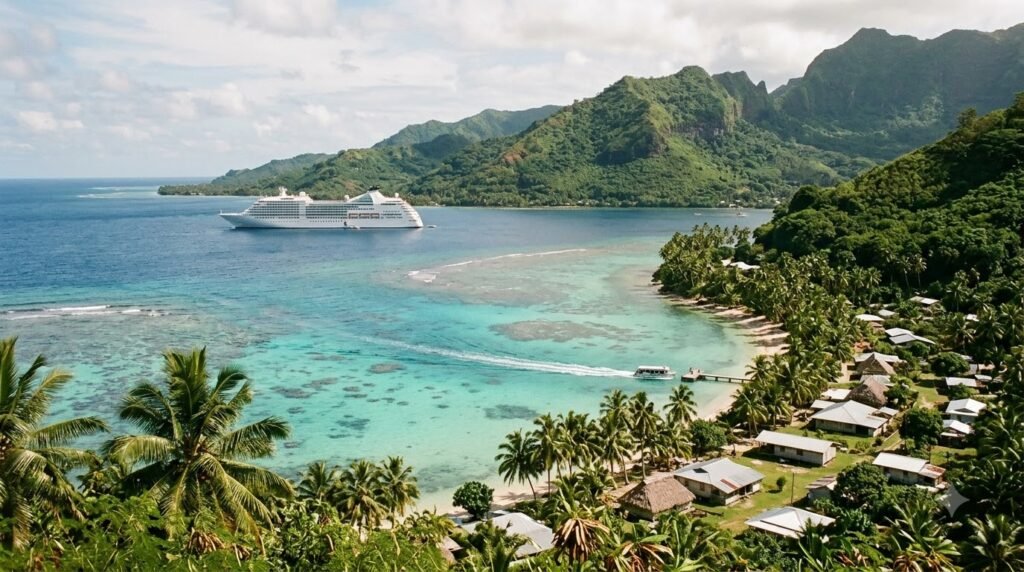
Pacific cruises out of Auckland are a Kiwi favourite. Fiji, Vanuatu, New Caledonia, Tonga. Lovely. But remote is the keyword.
Medical facilities on smaller islands can be basic. Serious cases often need evacuation to New Zealand or Australia. That’s why medical evacuation limits are the number one thing I’d check for Pacific island cruise insurance NZ travellers buy.
A few Pacific-specific things to keep in mind:
- Cyclone season runs roughly November to April. Itinerary changes and cancellations are more likely, so check what your policy says about weather.
- Tender ports. Some islands don’t have a wharf, so you’re ferried ashore in small boats. If you’re less steady on your feet, tell your insurer about any mobility issues.
- Tropical bugs. Dengue and similar illnesses do exist in parts of the Pacific. The government’s SafeTravel website has current advice for each country, and it’s worth a look before you book.
Australia cruise insurance from NZ: don’t assume you’re covered
Australia feels like a neighbour, so people assume they’ll be looked after. There’s a reciprocal health arrangement between our two countries, but it’s limited. It generally covers only immediately necessary treatment, and it won’t cover things like repatriation or cancellation costs.
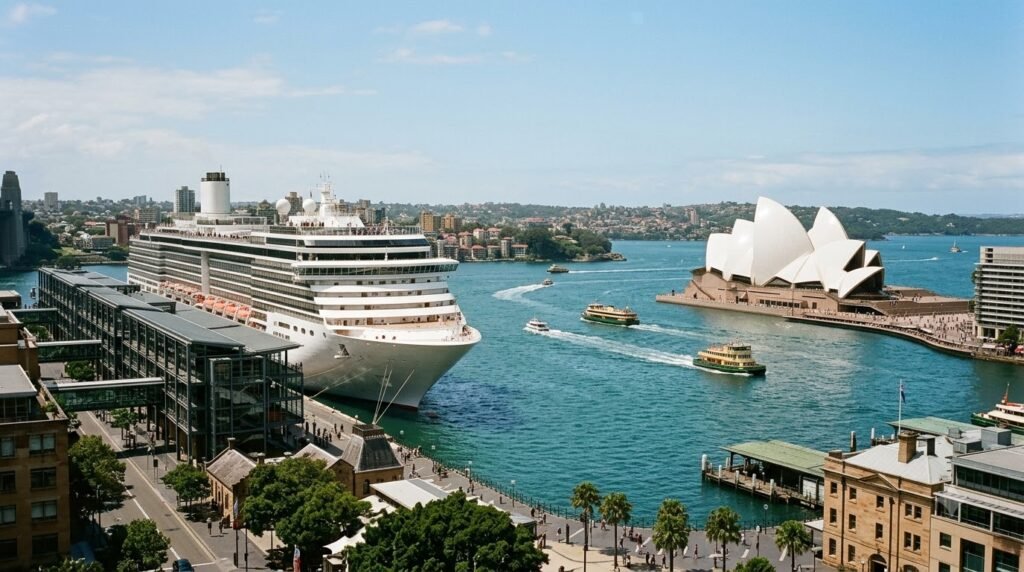
That’s the gap. And on a cruise, where you might be at sea, then docked in Sydney, then headed to Tasmania, that gap can bite.
For Australia cruise insurance from NZ, I’d make sure you have:
- Emergency medical and hospital cover that isn’t relying on the reciprocal arrangement alone
- Cancellation and missed-departure cover for the flight across the Tasman
- Baggage and personal item cover (those ship cabins are small, and things go missing)
Domestic cruise insurance NZ: yes, it’s a thing
Sailing around Aotearoa, whether it’s the Bay of Islands, Akaroa, Milford Sound or a round-the-coast trip, feels safe. You’re in your own country. ACC covers accidents, right?
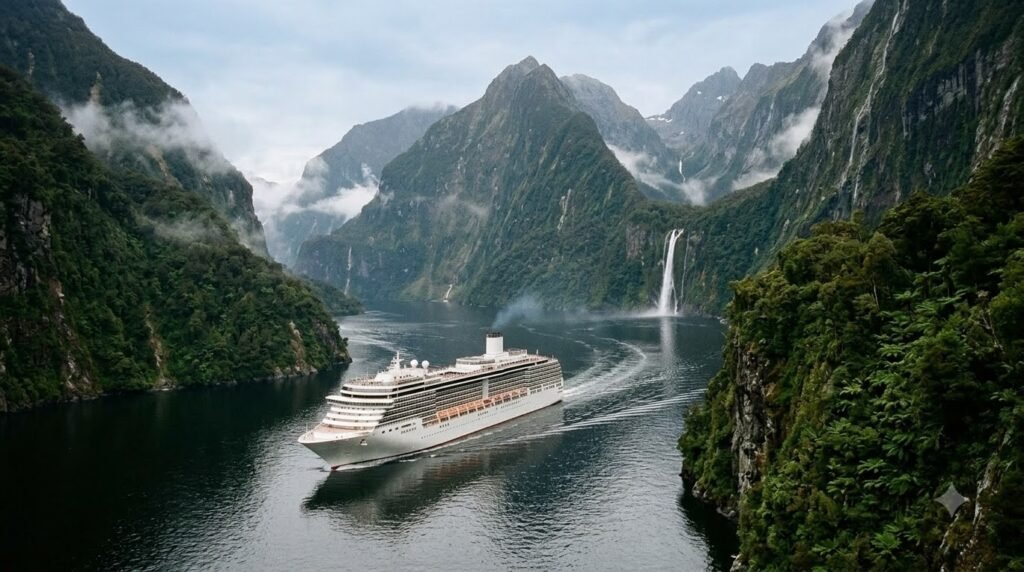
Partly. ACC helps with injuries, but it won’t refund your cruise if you get sick and can’t go. It won’t pay for illness either, and it doesn’t cover lost bags or a missed ship.
So domestic cruise insurance NZ travellers buy is mostly about cancellation, illness and curtailment (cutting the trip short). If you’ve paid several thousand dollars for a fare, that’s worth protecting. Some domestic cruises are also non-refundable almost from the day you book.
Pre-existing conditions: the bit that matters most
If you’re in your 50s, 60s or beyond, you probably have something. Blood pressure. A knee. Asthma. A heart check-up that you keep meaning to book. That’s normal. It just changes how you buy insurance.
Here’s my honest advice:
- Declare everything. Every condition, every medication. If you leave something out and then claim, the insurer can refuse the claim.
- Ask what’s automatically covered. Some policies cover stable, minor conditions without extra cost.
- Ask what needs assessment. More serious conditions may need a medical screening and a higher premium.
- Check the wording on “stable”. Insurers often define it as no change in medication or treatment for a set period before you travel.
I know it’s boring. But a ten-minute honest conversation with an insurer beats a rejected claim in a foreign hospital every time.
🩺 Travelling with a health condition?
Make sure it’s declared and checked before you pay. Take a look at policy options for older travellers and those with medical conditions. 👉 See Visitors Coverage options here
What is the average cost of cruise insurance?
Good question, and the honest answer is: it varies a lot. As a very rough rule of thumb, many travel insurers price policies somewhere in the region of 4% to 10% of your total trip cost, though older travellers and people with medical conditions can pay more. Treat that as a ballpark, not a quote.
Here’s what usually pushes the price up or down:
| Factor | Effect on price |
|---|---|
| Your age | Older travellers usually pay more |
| Pre-existing conditions | Can add a loading to the premium |
| Trip cost (cancellation limit) | Higher trip value means higher premium |
| Trip length | Longer cruises cost more to insure |
| Destination | Pacific and Australia are priced differently |
| Excess you choose | A higher excess usually lowers the premium |
| Extras like adventure activities | Can add cost |
The cheapest policy isn’t the best value if it leaves out medical evacuation. I’d rather pay a bit more and sleep well than save $60 and gamble on a $40,000 airlift.
Cruise travel insurance comparison NZ: a simple checklist
When you’re doing a cruise travel insurance comparison NZ style, don’t just look at the headline price. Line policies up side by side on the things that actually matter.
| What to compare | Why it matters | What I’d look for |
|---|---|---|
| Medical limit | Covers hospital and treatment abroad | A high limit, ideally unlimited for emergency medical |
| Evacuation and repatriation | Getting you home from remote places | Clearly included, with no small cap |
| Cancellation limit | Protects your cruise fare | Matches or exceeds what you paid |
| Cruise extras | Missed port, itinerary change, cabin confinement | Listed in the benefits, not buried |
| Pre-existing conditions | Common for travellers 50+ | Clear rules, with assessment available |
| Excess | What you pay on each claim | A level you’re comfortable with |
| Claim process | Speed and ease | Online claims and 24/7 emergency help |
| Exclusions | Where claims get refused | Read them. Yes, really |

And here’s a tip from the “learned the hard way” file: buy your insurance when you book the cruise, not the week before you leave. Cancellation cover usually only protects you from the day you buy it. If you fall ill the week after paying a deposit and you haven’t bought cover yet, you’re out of luck.
Which is the best travel insurance for a cruise?
So, which is the best travel insurance for a cruise? Here’s how I’d decide, in order:
- Write down your trip details: dates, cost, ports, your age and any health conditions.
- Get at least two quotes. Different insurers price different people very differently.
- Check the cruise extras before you look at the price.
- Read the exclusions page. Fifteen minutes, tops.
- Ring or message the insurer if anything is unclear. Their answers are good to have in writing.
Two places I’d suggest including in your comparison are below. Both are worth a quote so you can see how they stack up for your specific trip.
🚢 Start your quote in two minutes
Two options worth comparing for your cruise. Enter your trip details and see what’s on offer. 👉 Get an EKTA quote 👉 Get a Visitors Coverage quote
Common mistakes I see Kiwis make
- Assuming the cruise line’s cover is enough. Cruise line insurance is often basic and may not cover your medical needs or pre-existing conditions.
- Relying on a credit card policy. These often have age limits, low limits and conditions you won’t spot until you claim.
- Forgetting the flights. If you fly to Sydney or Brisbane to join the ship, make sure the whole journey is covered.
- Not telling the insurer about changes. Booked a longer trip? Added a stopover? Tell them.
- Skipping the fine print. Boring, but it’s where the truth lives.
If you want to double-check destination advice and registration, the SafeTravel site is run by the New Zealand Government and is a handy place to start.
Frequently asked questions
What is the best insurance for a cruise? The best one is comprehensive travel insurance with cruise-specific benefits, strong medical and evacuation limits, and clear pre-existing condition rules that suit your health.
Which is the best travel insurance for a cruise? There isn’t a single winner for everyone. Compare at least two policies on medical limits, cancellation cover, cruise extras and exclusions, then pick the one that fits your trip and health.
What type of insurance do I need for a cruise ship? Comprehensive travel insurance that includes medical, evacuation, cancellation, missed port or departure, and ideally cabin confinement cover.
What is the average cost of cruise insurance? A rough guide is a small percentage of your total trip cost, though age, health and destination can move it up or down significantly. Get a personalised quote for a real figure.
Do I need cruise insurance for a domestic NZ cruise? It’s worth it if your fare is non-refundable. ACC covers accidents, but it doesn’t refund illness-related cancellations.
The bottom line
Cruise insurance NZ isn’t the exciting part of the holiday. Nobody posts a photo of their policy wording. But it’s the thing that lets you relax on deck with that flat white, knowing a bad day won’t turn into a bad year.
Compare a couple of options, declare your health honestly, and buy early. That’s really all there is to it.
🌊 Ready to sail with peace of mind?
Get your quote before your cruise deposit is gone. 👉 Try EKTA | 👉 Try Visitors Coverage
Affiliate disclosure: This post contains affiliate links. I may earn a commission if you purchase through them, at no extra cost to you. This article is general information only and isn’t personal advice. Always read the product disclosure and policy wording before purchasing.